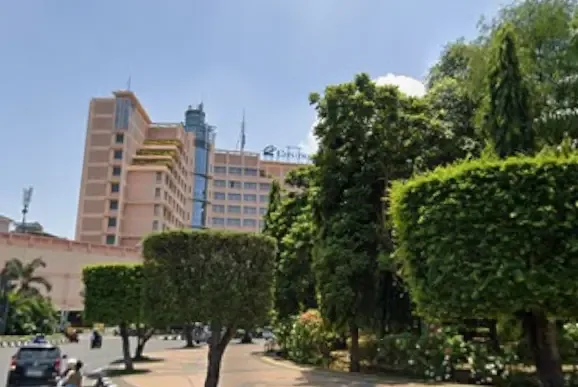
Simpang Lima Semarang is not just the center where the five main roads in the capital of Central Java meet, but is the heart of life that has held extraordinary transformations throughout the decades. This article will thoroughly examine the history of the establishment of Simpang Lima, which was initiated directly by President Soekarno, its transformation from a swamp area filled with water spinach plants, to now a skyscraper shopping center and family tourist destination that never sleeps.
As a proud landmark for Atlas City residents, the Simpang Lima Pancasila Square area continues to experience significant improvements in facilities to pamper tourists and local residents. If you are planning to visit to hunt for typical souvenirs or just enjoy the Semarang night atmosphere, let’s look at the complete history, strategic location, and various culinary delights that you must try below.
Turning Point 1965: President Soekarno’s Instructions to Find a New Square
Did you know that the center of Semarang City was not located at Simpang Lima? According to Jongkie Tio’s notes in the book Semarang City in MemoriesThe shift of the city center began to occur in 1965 from the old Aloon-aloon area to the south, precisely at the foot of Candi Hill.
This transfer was triggered by President Soekarno’s disappointment with the management of the old square in the Pasar Johar area which was considered neglected and neglected. Apart from that, the protests from the ulama regarding the damage to the Kauman Mosque tower strengthened Bung Karno’s instructions to build a “New Face” for the City of Semarang.
“President Soekarno was angry because of this, so he asked for a new square to be built which was then chosen in the Simpang Lima area,” said Jongkie Tio in his documentation.
From Rawa Kangkung to a Magnificent Landmark
It is difficult to imagine that the area which is now surrounded by star hotels and luxury malls was once a deserted swamp. Sri Aji (71), a native of Semarang, remembers how the area was before 1965.
“Before 1965, Simpang Lima had no buildings and was filled with swamps overgrown with water spinach plants,” recalled Aji. He even still remembers the moment the first pile was installed before the magnificent three-story Sports Hall (GOR) was built there.
After the construction of the GOR was completed in 1969, this area began to look magnificent and became a magnet for the community. Interestingly, at that time there were only four road junctions; Jalan KH Achmad Dahlan only appeared after the big project was completed, thus creating the name “Simpang Lima”.
Strategic Location in the Heart of Central Java
Finding Simpang Lima Semarang is very easy because its position is right in the middle of the city. Pancasila Square, which is the central point, is the confluence of five main roads, namely:
-
Jalan Pahlawan (south)
-
Jalan Pandanaran (west direction)
-
Jalan Ahmad Yani (east direction)
-
Jalan Gajah Mada (north)
-
Jalan KH Achmad Dahlan (northeast)
The New Face of the Simpang Lima Landmark
The Semarang City Government continues to beautify this area with various modern renovations. The Pancasila Square landmark is now decorated with various types of ornamental plants and greenery which keeps the atmosphere cool in the middle of a hot city.
The facilities and infrastructure available are now increasingly inclusive and friendly for all ages:
-
Sports Facilities: There are special youth sports fields and walking areas for the elderly.
-
Children’s Rides: Various educational and recreational games are available in the corner of the field.
-
Nightlife: Tourists can rent a lighted float or tandem bicycle to ride around the grounds at night.
Culinary Heaven: From Souvenirs to Midnight Dinner
Simpang Lima is the answer for every culinary lover. Here, you can find rows of souvenir shops selling legendary Semarang snacks such as Spikoe, Lapis Legit, and delicious Tofu Bakso.
However, the main attraction comes at sunset. Simpang Lima has turned into a traditional open-air culinary center offering typical Semarang “nampol” menus:
-
Tahu Gimbal: A combination of fried tofu, shrimp bakwan (dreadlocks), and lots of peanut sauce.
-
Chicken Rice: A savory rice dish with chicken opor and chayote vegetables.
-
Tahu Petis: A must-eat snack with cayenne pepper.
-
Nasi Pecel: A healthy breakfast or dinner option with fresh vegetables.
The development of Simpang Lima over time shows how dynamic the city of Semarang is. From a quiet water spinach swamp to becoming an economic and tourist center, Simpang Lima still stands strong as a witness to history and the face of the future of Central Java.***
PakarPBN
A Private Blog Network (PBN) is a collection of websites that are controlled by a single individual or organization and used primarily to build backlinks to a “money site” in order to influence its ranking in search engines such as Google. The core idea behind a PBN is based on the importance of backlinks in Google’s ranking algorithm. Since Google views backlinks as signals of authority and trust, some website owners attempt to artificially create these signals through a controlled network of sites.
In a typical PBN setup, the owner acquires expired or aged domains that already have existing authority, backlinks, and history. These domains are rebuilt with new content and hosted separately, often using different IP addresses, hosting providers, themes, and ownership details to make them appear unrelated. Within the content published on these sites, links are strategically placed that point to the main website the owner wants to rank higher. By doing this, the owner attempts to pass link equity (also known as “link juice”) from the PBN sites to the target website.
The purpose of a PBN is to give the impression that the target website is naturally earning links from multiple independent sources. If done effectively, this can temporarily improve keyword rankings, increase organic visibility, and drive more traffic from search results.